Essential Construction Safety Practices for Your Team
Discover vital construction safety practices to protect your team and ensure a safe work environment. Learn more at ScanHaz.
Key Takeaways
- Training: Continuous training is crucial for all employees to stay updated on safety standards.
- Personal Protective Equipment (PPE): Always provide proper PPE to minimize risk of injuries.
- Regular Inspections: Conduct regular safety inspections to identify and mitigate hazards.
Introduction
In the construction industry, safety practices are not merely regulations — they are essential to protecting workers from preventable injuries and fatalities. Effective construction safety practices help ensure a secure environment where employees can perform their tasks without undue risk. By fostering a safety-first culture and implementing rigorous protocols, companies can not only protect their workforce but also enhance productivity and compliance with safety laws.
Understanding Construction Safety Practices
Construction safety practices encompass a variety of strategies aimed at minimizing hazards present on job sites. These practices are designed to create a safe working atmosphere, ensuring compliance with legal standards while promoting health and well-being. Here are key practices to consider:
1. Comprehensive Safety Training
All personnel, from laborers to site supervisors, should receive thorough training on safety protocols. This education should include:
- Safety regulations and legal requirements specific to construction.
- Emergency response plans, including evacuation procedures and first aid.
- Proper operation of machinery and equipment.
2. Use of Personal Protective Equipment (PPE)
Providing Personal Protective Equipment (PPE) can significantly reduce the risk of injury on construction sites. Key PPE items include:
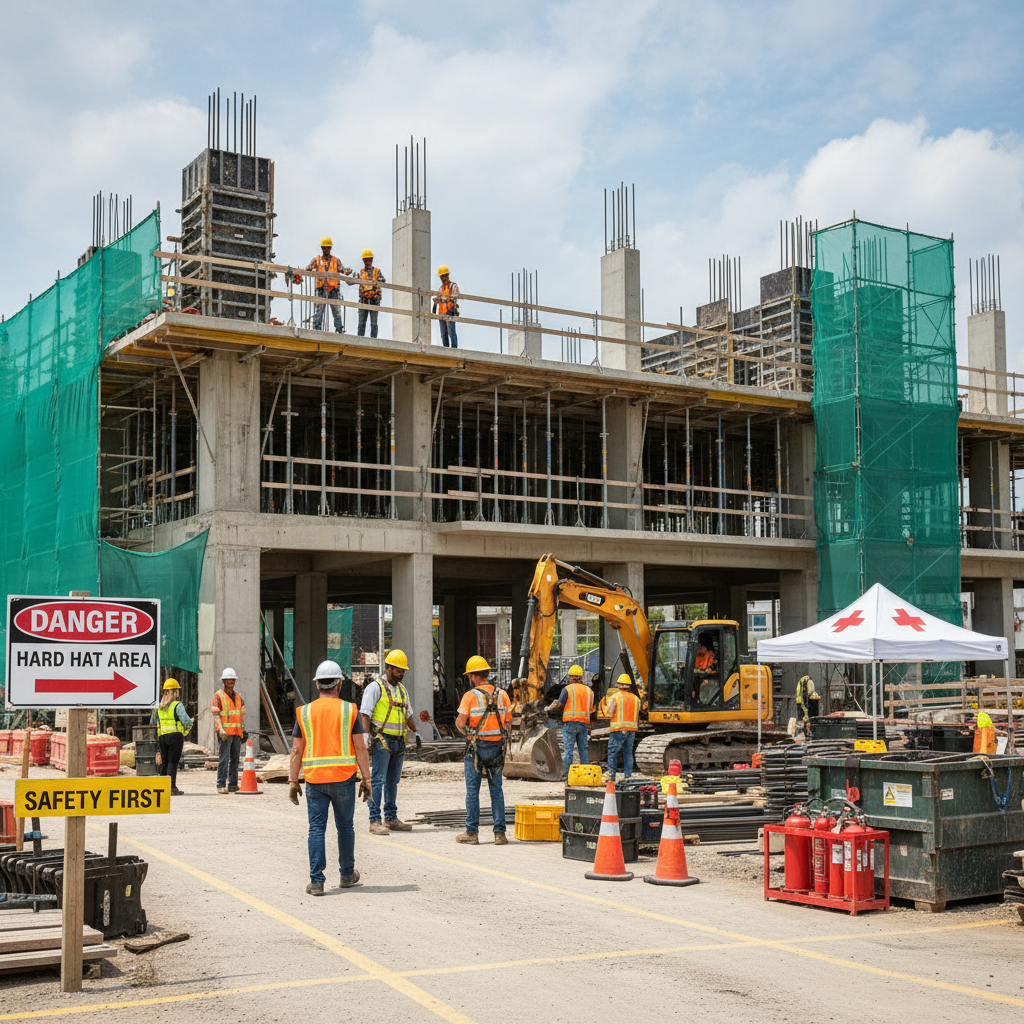
- Hard hats to protect against head injuries.
- Safety goggles to prevent eye injuries from debris.
- High-visibility vests for worker visibility, especially near heavy machinery.
- Steel-toecap boots to protect feet from falling objects.
3. Regular Site Inspections
Regular site inspections can help identify potential hazards before they result in accidents. Make sure to:
- Assess tools and equipment for safety compliance.
- Check for obstacles and clear pathways for workers.
- Evaluate weather conditions that may impede safety.
Implementing Effective Safety Procedures
Creating a safety-oriented culture requires more than just training; it involves actionable procedures that all team members are familiar with. Here are several procedures to implement:
1. Develop a Safety Plan
Design a comprehensive safety plan that outlines:
- The roles and responsibilities of each team member regarding safety.
- Detailed procedures for dealing with hazardous materials.
- Incident reporting processes to maintain records of injuries and near misses.
2. Maintain Open Communication
Encouraging open dialogue about safety concerns can enhance workplace trust. Strategies include:
- Conducting safety meetings on a regular basis.
- Encouraging employees to report hazards without fear of reprisal.
- Using safety hotlines or suggestion boxes for anonymous reporting.
3. Emergency Preparedness
Being prepared for emergencies can save lives. Consider these actions:
- Establish emergency response teams trained in first aid and CPR.
- Regularly conduct emergency drills to ensure a quick response to crises.
- Provide clear signage regarding emergency equipment and exits.
The Role of Technology in Construction Safety
Modern technologies can significantly enhance construction safety practices. Using AI-powered tools like ScanHaz, companies can:
- Conduct rapid site scans to identify hazards.
- Track compliance with safety regulations in real-time.
- Provide data analytics for improving safety protocols based on incident history.
Conclusion
Adopting robust construction safety practices is imperative for creating a secure working environment. By integrating comprehensive training, utilizing appropriate protective gear, conducting regular site inspections, and leveraging technology, your team can work more safely and efficiently. Remember, safety is not just a checklist — it requires continuous commitment and improvement.
To enhance your workplace safety strategies, consider implementing tools like ScanHaz. Our AI-powered safety scanning tool helps you manage risks effectively and streamline compliance. Start prioritizing your team's safety today!
Frequently Asked Questions (FAQs)
What are the main hazards on construction sites?
Common hazards on construction sites include falls from heights, being struck by objects, electrocutions, and being caught in or between equipment. Identifying these hazards is crucial in developing an effective safety strategy.
How often should safety training be conducted?
Safety training should be ongoing, with annual refreshers at a minimum. It's beneficial to provide training as new equipment is introduced or when regulations change.
What equipment is considered essential PPE for construction workers?
Essential PPE includes hard hats, gloves, safety glasses, steel-toed boots, and hearing protection. Each specific task may necessitate additional equipment based on the hazards presented.
How can technology improve workplace safety?
Technology, like AI safety scanning tools, can enhance safety by identifying hazards in real time, tracking safety compliance, and analyzing data to improve protocols effectively.
When should site inspections take place?
Site inspections should be daily, especially at the start of shifts or before starting new tasks. Additional inspections should occur after adverse weather events or prior to high-risk operations.
Internal Links
Frequently Asked Questions
What are the main hazards on construction sites?▾
Common hazards on construction sites include falls from heights, being struck by objects, electrocutions, and being caught in or between equipment. Identifying these hazards is crucial in developing an effective safety strategy.
How often should safety training be conducted?▾
Safety training should be ongoing, with annual refreshers at a minimum. It's beneficial to provide training as new equipment is introduced or when regulations change.
What equipment is considered essential PPE for construction workers?▾
Essential PPE includes hard hats, gloves, safety glasses, steel-toed boots, and hearing protection. Each specific task may necessitate additional equipment based on the hazards presented.
How can technology improve workplace safety?▾
Technology, like AI safety scanning tools, can enhance safety by identifying hazards in real time, tracking safety compliance, and analyzing data to improve protocols effectively.
When should site inspections take place?▾
Site inspections should be daily, especially at the start of shifts or before starting new tasks. Additional inspections should occur after adverse weather events or prior to high-risk operations.
Related on ScanHaz
Ready to improve your site safety?
Explore a real example workflow, then sign in to capture and review your own site photos.
Explore the Construction Safety App →