Top Emergency Preparedness Strategies for Schools
Explore essential strategies for enhancing emergency preparedness in schools, ensuring safety and readiness for any situation.
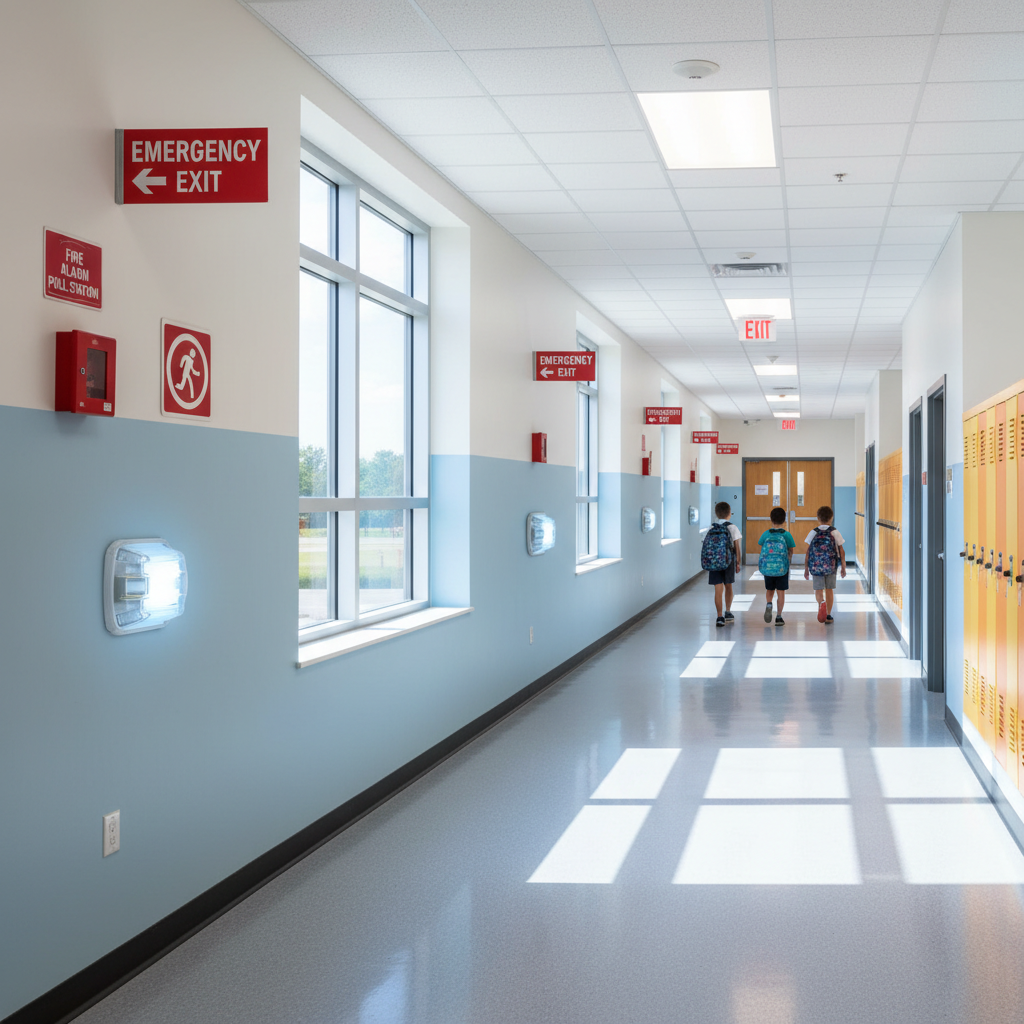
Understanding Emergency Preparedness in Schools
Emergency preparedness in schools is vital to safeguarding the well-being of students and staff. This guide provides comprehensive information on creating effective emergency plans, conducting drills, and equipping schools to handle various emergencies.
Why Emergency Preparedness is Crucial
- Protection of Lives: The primary goal of emergency preparedness is to protect lives. A well-prepared school can respond effectively to crises, from natural disasters to active shooter situations.
- Minimizing Panic: School communities that are well-prepared tend to experience less panic during emergencies.
- Legal Requirements: Many states require schools to have emergency preparedness plans in place, ensuring compliance with local laws.
Developing an Effective Emergency Preparedness Plan
An effective emergency preparedness plan is built on several key components:
- Risk Assessment: Identify potential hazards (natural disasters, fires, intruders) specific to your school's location.
- Communication Strategy: Establish clear communication channels to alert staff, students, and parents during an emergency.
- Evacuation Procedures: Create and practice evacuation routes. Ensure that all students are familiar with these routes.
- First Aid and Response: Train staff in first aid and emergency response protocols. Equip your school with necessary first aid supplies.
Conducting Regular Drills
Regular drills are essential for effective emergency preparedness in schools. These drills help students and staff know what to expect during different types of emergencies. Here’s how to implement them:
- Schedule Drills: Plan drills at least twice a year for various scenarios – fire, lockdowns, and severe weather.
- Evaluate Performance: After each drill, debrief to discuss what worked well and what could be improved.
- Involve Local Authorities: Consider involving local emergency services in your drills for added realism and learning.
Emergency Supplies and Resources
Having the right supplies is crucial for effective emergency preparedness in schools. Here are essential items to consider:
- First Aid Kits: Ensure that first aid kits are available in multiple locations around the school.
- Emergency Contact Lists: Keep updated contact details of all students and staff.
- Basic Necessities: Stock up on water, non-perishable food, flashlights, batteries, and blankets.
Creating a Safety Culture
Embedding a safety culture within the school community can foster an environment of preparedness:
- Training and Awareness: Offer training sessions for staff and informative workshops for students.
- Involvement: Encourage participation from students, staff, and parents in safety committees to promote awareness and advocacy.
- Feedback Mechanisms: Create channels for ongoing feedback about safety concerns from the school community.
Conclusion
Emergency preparedness in schools is not just a necessity but a responsibility that can save lives. By actively creating robust emergency plans, conducting regular drills, and fostering a culture of safety, schools can ensure a secure environment for everyone involved.
Frequently Asked Questions
- What is the first step in creating an emergency preparedness plan?
Begin with a thorough risk assessment to determine the specific hazards your school may face. - How often should schools conduct emergency drills?
Schools should conduct emergency drills at least twice a year for different scenarios to maintain readiness. - What should be included in a school's first aid kit?
A first aid kit should include bandages, antiseptic wipes, adhesive tape, gloves, scissors, and specific medications as required. - How can parents stay informed about the school's emergency preparedness?
Schools should communicate their emergency plans and updates regularly through newsletters, meetings, and direct communication channels.
Related Resources on ScanHaz
- Rapid Safety Scan - Use this tool for efficient safety checks.
- Compliance Overview - Learn how to ensure your school meets safety regulations.
- Emergency Plan Templates - Access ready-to-use templates for creating your safety plans.
Updated Information
In recent years, schools have increasingly recognized the importance of robust emergency preparedness plans. Key strategies include regular training drills, clear communication channels with parents and local authorities, and incorporating technology such as emergency alert systems. Schools should also engage students in preparedness education, teaching them the importance of being proactive in emergencies. Current best practices advocate for interdisciplinary cooperation, involving teachers, staff, and emergency responders in plan development to address diverse scenarios—from natural disasters to security threats. Keeping policies updated and aligned with local emergency services ensures a unified response in times of crisis.Updated Information
As we navigate an evolving landscape of potential emergencies, it's crucial that schools update their preparedness plans regularly. This includes conducting routine drills, integrating the latest technology for communication during a crisis, and ensuring that all staff members are trained in first aid and emergency response protocols. Additionally, creating partnerships with local emergency services can enhance a school's readiness. Schools should also consider incorporating mental health resources to support students in the aftermath of any emergency, emphasizing the importance of both physical safety and emotional well-being.Frequently Asked Questions
What is the first step in creating an emergency preparedness plan?▾
Begin with a thorough risk assessment to identify potential hazards specific to your school's location.
How often should schools conduct emergency drills?▾
Schools should conduct emergency drills at least twice a year for different scenarios to maintain readiness.
What should be included in a school's first aid kit?▾
A first aid kit should include bandages, antiseptic wipes, adhesive tape, gloves, scissors, and specific medications as required.
How can parents stay informed about the school's emergency preparedness?▾
Schools should communicate their emergency plans and updates regularly through newsletters, meetings, and direct communication channels.
Related on ScanHaz
Ready to improve your site safety?
Explore a real example workflow, then sign in to capture and review your own site photos.
Explore the Construction Safety App →